
By: Richard Hanus, Esq.
April 30, 2026
In the world of U.S. immigration law, it seems everywhere you turn these days, a new delay or pause is plaguing application processing. The processing delays or halts are being directed by the Trump administration and are impacting more and more immigration filings. Most recently, as of the beginning of this week, US Department of Homeland Security/Citizenship and Immigration Services (“US DHS/CIS”) announced the implementation of a heightened FBI security check system for various applications filed by foreign nationals now present in the U.S. The heightened security check protocol will cause a processing halt while re-vetting is completed under the new system.
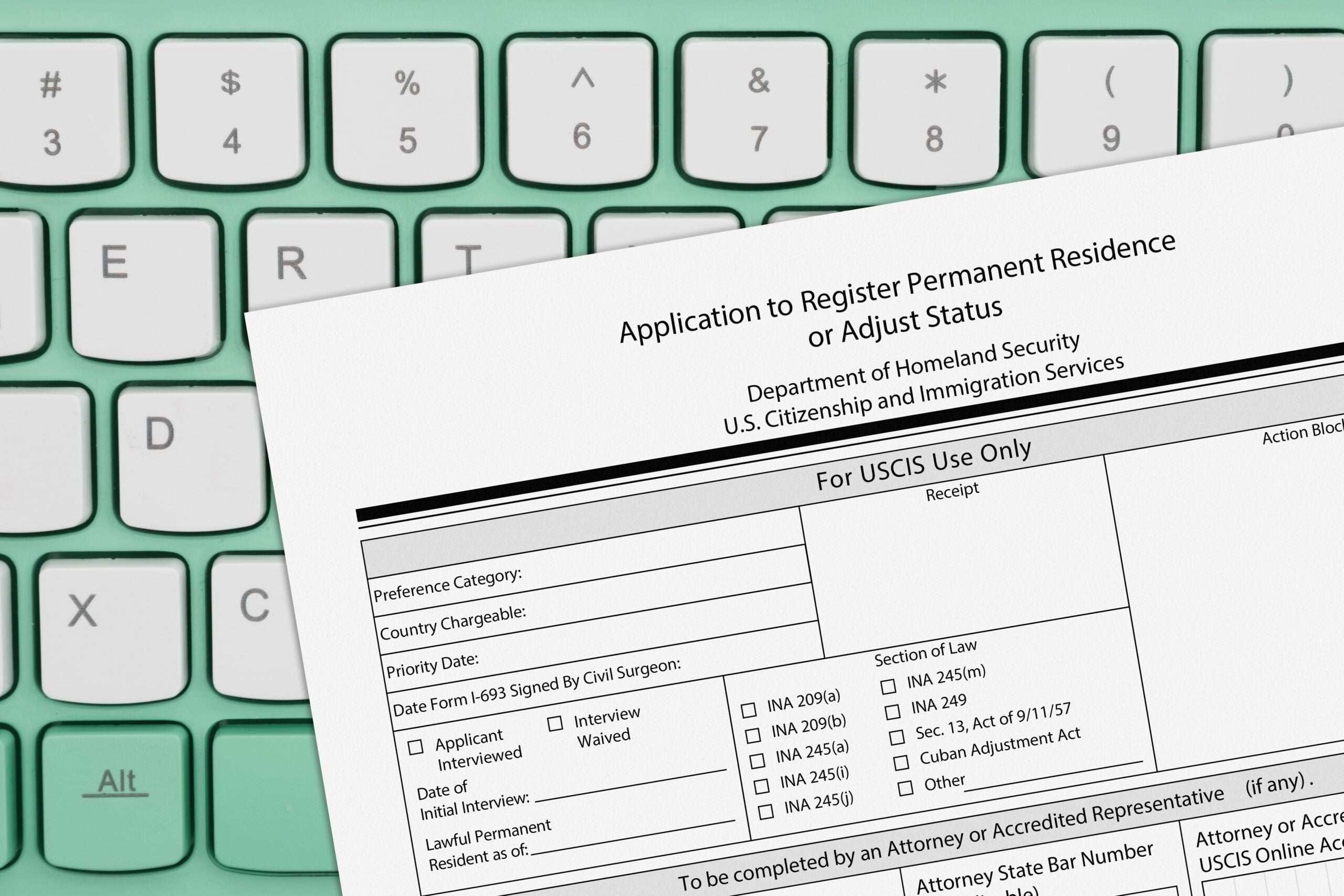
According to this new policy, immigration applications involving the collection of biometrics taking place prior to April 27, 2026, will be put on hold so that US DHS/CIS officers can have a chance to resubmit their fingerprint data for new, enhanced screening. Applications impacted by this pause include I-485 Applications for Adjustment of Status (Green Card), N-400 Applications for Naturalization, and I-589 Applications for Asylum.
US DHS/CIS officials have advised that the adjudication hold prompted by the new vetting process will be brief, although no exact timelines have been provided. This new immigration processing pause is the latest in a series of pauses that have been put in place in several contexts over the past few months, including:
The Public Charge – 75 Nation Immigrant Visa Processing Pause: As of January 21, 2026, if you are a foreign national OUTSIDE the U.S. and from one of 75 specified countries, your process to allow you to enter the U.S. on an immigrant visa (as a lawful permanent resident on a Green Card) has come to a complete stop. Foreign nationals impacted are from Afghanistan, Albania, Algeria, Antigua and Barbuda, Armenia, Azerbaijan, Bahamas, Bangladesh, Barbados, Belarus, Belize, Bhutan, Bosnia, Brazil, Cambodia, Cameroon, Cape Verde, Colombia, Democratic Republic of the Congo, Cuba, Dominica, Egypt, Eritrea, Ethiopia, Fiji, The Gambia, Georgia, Ghana, Grenada, Guatemala, Guinea, Haiti, Iran, Iraq, Ivory Coast, Jamaica, Jordan, Kazakhstan, Kosovo, Kuwait, Kyrgyzstan, Laos, Lebanon, Liberia, Libya, North Macedonia, Moldova, Mongolia, Montenegro, Morocco, Myanmar, Nepal, Nicaragua, Nigeria, Pakistan, Republic of the Congo, Russia, Rwanda, Saint Kitts and Nevis, Saint Lucia, Saint Vincent and the Grenadines, Senegal, Sierra Leone, Somalia, South Sudan, Sudan, Syria, Tanzania, Thailand, Togo, Tunisia, Uganda, Uruguay, Uzbekistan, and Yemen.
This 75-country ban is premised on the concern that foreign nationals from these nations are more likely to become “public charges,” and dependent on the U.S. government for welfare or financial assistance. Of course, we already have laws and processes on the books to screen for public charge eligibility issues, but that did not stop this administration from implementing it. Interestingly, and perhaps nonsensically, foreign nationals from these nations who are already in the U.S. on some sort of temporary visa are still eligible to be processed for lawful permanent residence/Green Card by way of an I-485 Application for Adjustment of Status.
The 39 “High Risk” Nation Pause: Since last December, immigration related applications for foreign nationals from 39 nations started being placed on indefinite hold. This hold includes applicants from Afghanistan, Angola, Antigua and Barbuda, Burkina Faso, Burma, Burundi, Chad, Republic of the Congo, Cote d ‘Ivoire, Cuba, Dominica, Equatorial Guinea, Eritrea, Gabon, Gambia, Haiti, Iran, Libya, Laos, Libya, Malawi, Mali, Mauritania, Myanmar, Niger, Nigeria, Palestinian Authority, Senegal, Somalia, Sudan, South Sudan, Syria, Tanzania, Togo, Tonga, Turkmenistan, Venezuela, Yemen, Zambia, and Zimbabwe.
For folks from these nations, decision-making and final processing will be put on hold for some of the most commonly accessed immigration processes, including: N-400 Application for Naturalization, I-485 Application for Adjustment of Status, I-589 Application for Asylum/Withholding of Removal, I-751 Petition to Remove Conditions on Residence, I-90 Application to Replace Permanent Resident Card, and I-131 Application for Travel Document/Advance Parole.
Not surprisingly, dozens of federal lawsuits have been filed to block implementation of these new country-specific policies, measures that amount to indefinite bans on immigration filings based on an applicant’s country of origin. Notably, though, in recent weeks, several courts have ruled in favor of plaintiff foreign nationals challenging this policy. However, as has been customary for this administration, efforts to appeal these losses to a higher court will undoubtedly take place, and the ultimate decisionmaker on the major issues at hand is likely to be the U.S. Supreme Court. Hopefully, a final pronouncement on the legality of these new policies will be announced sooner rather than later.
Updates on all of the above adjudication pauses and enhanced vetting programs will continue to be reported on here. To receive the latest U.S. immigration related news, be sure to sign up to receive our bi-weekly newsletter, Richard’s Blog at https://www.usavisacounsel.com/newsletter.